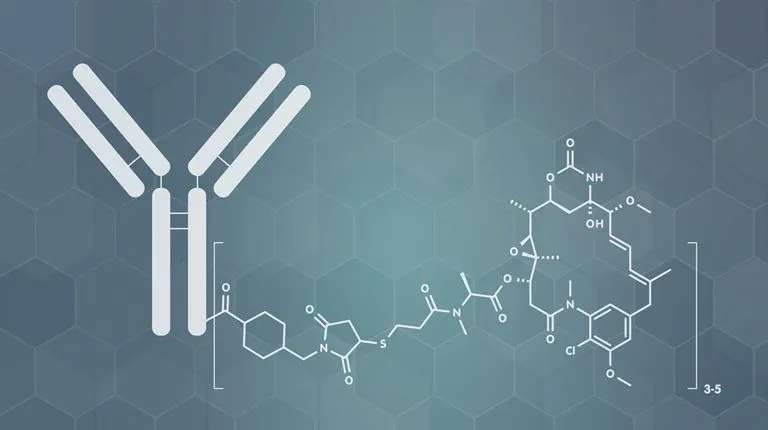
Custom monoclonal antibody production has revolutionized the field of medical research and therapy by providing highly specific tools for targeting and detecting a wide range of molecules. Monoclonal antibodies are produced from identical immune cells that are clones of a single parent cell, allowing for precise targeting of antigens with minimal cross-reactivity.
This article will explore the process of custom monoclonal antibody production, including the techniques used, the applications of these antibodies in various fields, and the future directions of this rapidly evolving technology. Understanding the principles behind custom monoclonal antibody production is essential for researchers and clinicians looking to optimize their diagnostic and therapeutic strategies in the fight against diseases such as cancer, autoimmune disorders, and infectious agents.

Techniques Used in Custom Monoclonal Antibody Production
The production of custom monoclonal antibodies involves several key techniques. It starts with immunization of an animal, typically a mouse, with the target antigen. The immune response generated leads to the production of B cells that produce antibodies against the antigen. These B cells are then isolated and fused with immortalized myeloma cells to create hybridoma cells. The hybridoma cells are screened to identify clones that produce monoclonal antibodies specific to the target antigen. These monoclonal antibodies can then be harvested, purified, and used for various applications, such as research, diagnostics, and therapy.
Applications of Custom Monoclonal Antibodies
Custom monoclonal antibodies have a wide range of applications across different fields. In research, they are invaluable tools for studying protein expression, localization, and function. In diagnostics, they are used for detecting specific molecules in biological samples, aiding in the accurate diagnosis of diseases. In therapy, monoclonal antibodies can be engineered to selectively target cancer cells or modulate immune responses in autoimmune disorders. The development of custom monoclonal antibodies has paved the way for personalized medicine approaches that offer more precise and effective treatment options for patients.
Custom monoclonal antibody production has opened up new possibilities for targeted therapies and personalized medicine. By harnessing the power of these highly specific antibodies, researchers and clinicians can now tailor treatments to individual patients, leading to more effective outcomes. The ability to precisely target and detect molecules with custom monoclonal antibodies is revolutionizing the way we approach diseases such as cancer, autoimmune disorders, and infectious agents. As this technology continues to evolve, the future holds even more promise for advancements in medical research and therapy.
Leave a Reply