
Dogs are known for their loyal and loving nature, but just like humans, they can also experience anxiety. This can manifest in a variety of ways, such as excessive barking, destructive behavior, or even physical symptoms like shaking or panting. Understanding and addressing your dog’s anxiety is essential for their well-being and overall quality of life.
In this article, we will explore the signs and causes of dog anxiety, as well as practical tips for managing and reducing anxiety in your furry friend. By recognizing and addressing your dog’s anxiety, you can help them lead a happier and more peaceful life.
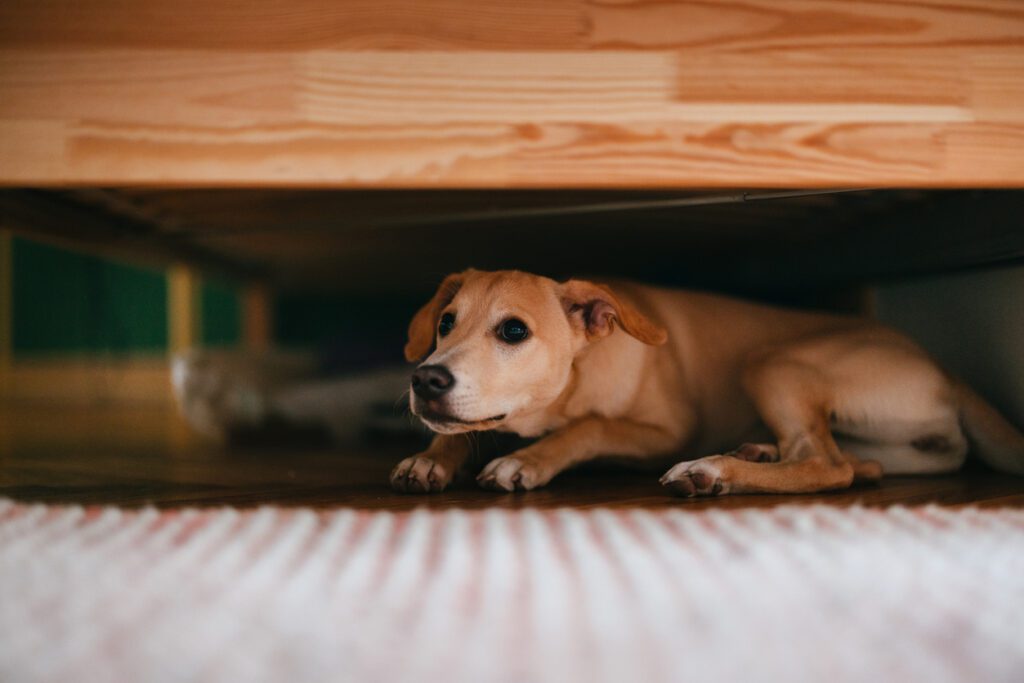
Signs of Dog Anxiety
Some common signs of anxiety in dogs include excessive barking, pacing, panting, drooling, trembling, or destructive behaviors like chewing furniture or shoes. Your furry friend may also exhibit avoidance behaviors or seek excessive reassurance from you. It’s important to pay attention to these signs and not dismiss them as merely quirky behavior. If you suspect your dog is experiencing anxiety, it’s crucial to address the issue promptly to prevent it from escalating. Remember, a happy and healthy pup is a key to a harmonious relationship between you and your pet.
Causes of Dog Anxiety
There are various reasons why a dog may experience anxiety, including past trauma, lack of socialization, changes in routine, separation from their owner, or loud noises like thunderstorms or fireworks. Understanding the root cause of your dog’s anxiety is the first step towards helping them feel more secure and at ease. By working with a professional trainer or behaviorist, you can develop a tailored plan to manage your dog’s anxiety effectively. Incorporating tools such as Brave Paws supplements may also provide natural relief and support for your canine companion’s emotional well-being.
By implementing strategies to address your dog’s anxiety, such as behavioral training, creating a safe and secure environment, and providing adequate exercise and mental stimulation, you can help your furry friend feel more calm and relaxed. Remember, each dog is unique, and what works for one may not work for another, so it’s important to be patient and consistent in your approach. With love, patience, and understanding, you can help your dog overcome their anxiety and lead a happier, healthier life. By taking the necessary steps to address your dog’s anxiety, you can strengthen the bond between you and your beloved pet and ensure they live their best possible life.
Leave a Reply